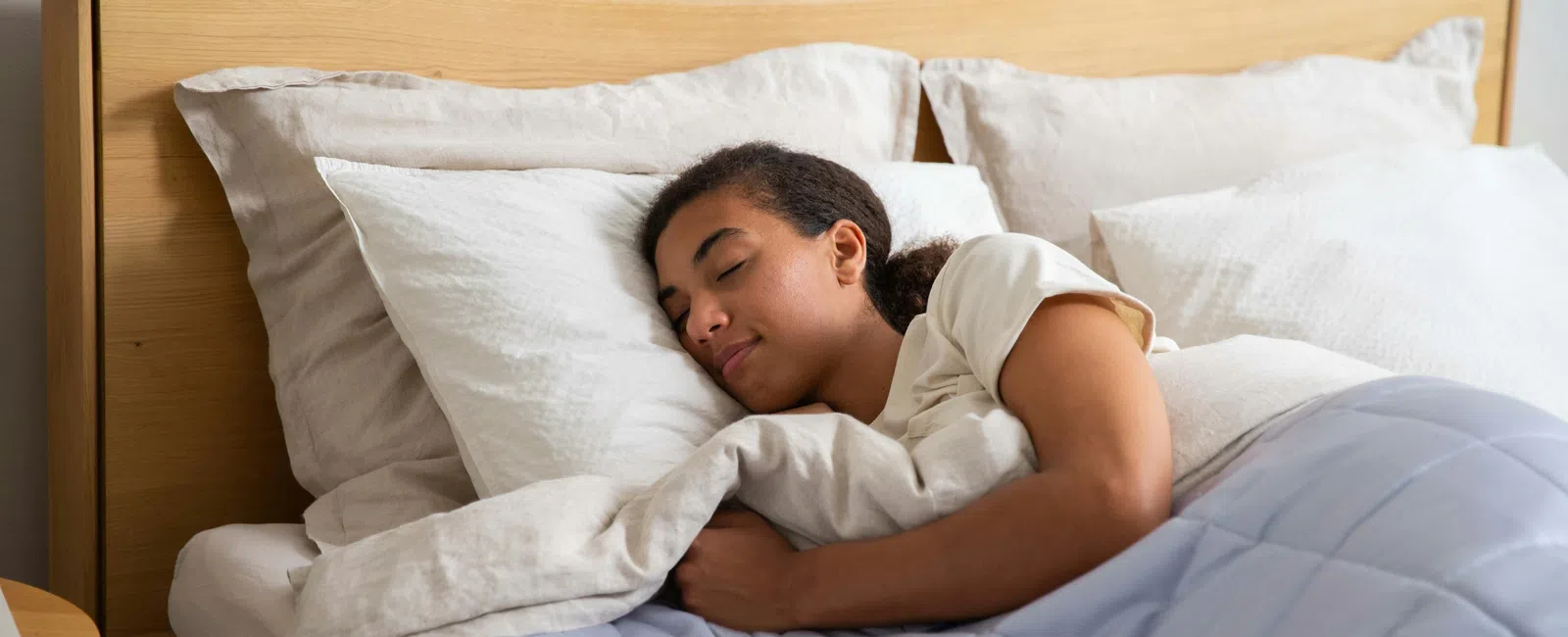
Waking up gasping or feeling tired after a full night of rest can be warning signs of sleep apnea in Glendale, AZ. Snoring can get louder when your nose feels stuffy or your throat gets dry. But if loud snoring happens often, there may be more going on.
Call Glendale Gentle Dentistry at 623-244-4304 for an appointment. Knowing what to watch for can help you decide when to seek care.
What Causes Breathing to Stop During Sleep?
What happens: Obstructive sleep apnea can block the normal movement of air while you sleep.
When you fall asleep, the muscles in your mouth and throat relax. For some people, the tongue and other soft tissues move in a way that makes the airway too narrow. Air may have trouble getting through or become blocked for a short time.
Your brain notices the change and briefly moves you into lighter sleep. This helps you start breathing normally again. You may not remember these moments in the morning.
Why it matters: Repeated breathing problems can keep you from getting enough deep, healthy sleep.
Which Signs Should You Watch For?
Snoring is common, and it does not always mean you have sleep apnea. The pattern of your symptoms can offer important clues.
Possible signs include:
- Loud or persistent snoring
- Gasping or choking while asleep
- Pauses in breathing noticed by someone else
- A dry mouth when you wake up
- Morning headaches
- Trouble paying attention
- Feeling sleepy during the day
- Changes in your mood
Your bed partner may be the first person to notice breathing pauses or sudden gasps.
Can Dry Air Make Snoring Worse?
The short answer: Dry air can make nighttime symptoms easier to notice.
Dry conditions can leave the tissues in your nose and throat feeling irritated. A blocked or stuffy nose from allergies may also limit airflow, causing you to rely more on mouth breathing while you sleep. The way you position your body at night can affect breathing as well.
Lying on your back may allow your tongue to move toward your throat and reduce the space available for airflow.
These issues can increase snoring, but they do not confirm sleep apnea. A professional evaluation is needed to find the cause.
Why Should You Get Sleep Apnea Treated?
Poor sleep can follow you into the next day. You may have less energy, find it harder to focus, or feel sleepy while driving.
When sleep apnea is not treated, it may contribute to health problems over time. Research has linked the condition to concerns such as high blood pressure, heart problems, stroke, and type 2 diabetes. An evaluation for sleep apnea in Glendale can help uncover what is affecting your rest and guide you toward the right care.
What Can Help Confirm Sleep Apnea?
A healthcare provider can review your symptoms and decide whether you need a sleep study. This test records information about your breathing and body while you sleep.
Your provider may recommend a sleep test at home or an overnight visit to a sleep center. The test tracks your breathing and can reveal how often airflow becomes limited or stops. If sleep apnea is confirmed, your care team can choose treatment based on your symptoms and test results.
Which Treatment Can Improve Nighttime Breathing?
CPAP therapy is often used to keep the airway open. The machine provides continuous air through a mask while you sleep, helping prevent breathing interruptions.
For certain adults, a custom oral appliance may be another choice. This device is worn inside the mouth and holds the lower jaw slightly forward. Moving the jaw can help create a clearer path for airflow.
An oral appliance may be recommended for some cases of mild or moderate sleep apnea. It may also be considered for certain people who have difficulty using CPAP regularly. A trained dentist can make and adjust the appliance for a proper fit.
Make Better Sleep a Priority
Do not dismiss regular gasping, breathing pauses, or daytime exhaustion. Seeking care for sleep apnea in Glendale can be an important step toward better sleep and overall health.
Call Glendale Gentle Dentistry 623-244-4304 for an appointment. You can also schedule online. Discuss your symptoms and learn whether a custom oral appliance may be right for you.